 Electrical preheating
 EV charging solutions
 Lighting
 Chargers and Inverters
 Security & Tracking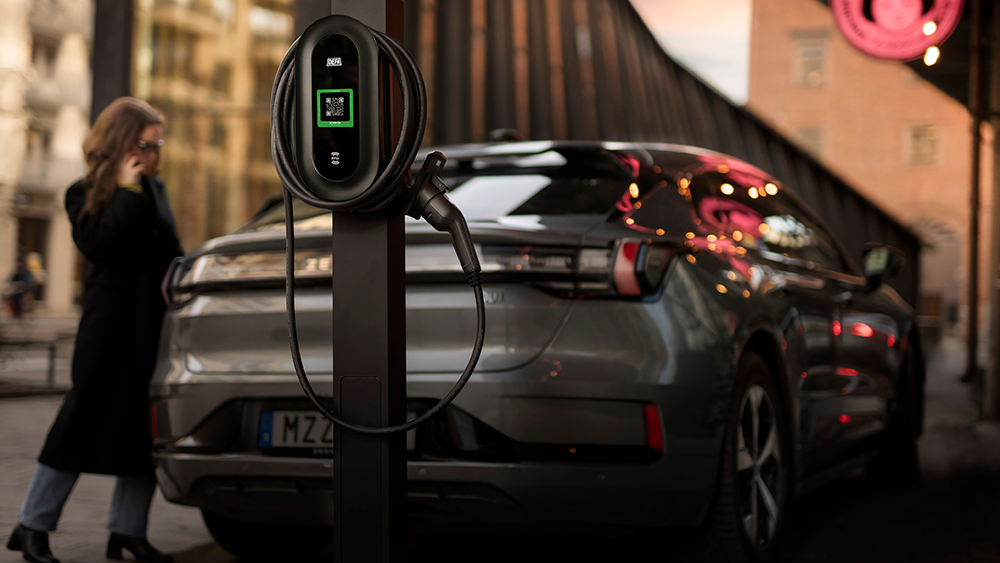
From 1 January 2027, new EU requirements for EV chargers will apply. The aim is to create a more harmonised and future-ready charging infrastructure, where electric vehicles and chargers can communicate using common standards. Over time, this can enable a simpler, more seamless charging experience and create better opportunities to use the power grid and available energy efficiently. But what do the new requirements mean if you already have an EV charger, or are considering installing one? Here is what you need to know.
What is changing?
The aim is to create a more harmonised, secure and user-friendly charging infrastructure across Europe. For publicly accessible charging points, AFIR includes requirements for easy ad hoc charging and secure payment solutions, such as QR-based payment for charging points below 50 kW.
From 1 January 2027, new technical requirements will also apply to communication between vehicles and chargers. New or renovated public and private charging points must support EN ISO 15118-20.
The standard enables more advanced communication between the vehicle and charger and provides a foundation for functions such as smart and bidirectional charging, including V2G (Vehicle-to-Grid) [link] and other V2X applications.
Plug & Charge is also part of this development. The technology enables automatic authentication and authorisation when the vehicle is connected to the charger. Plug & Charge itself is not mandatory, but from 1 January 2027, publicly accessible charging points offering this type of automatic authentication must comply with both EN ISO 15118-2 and EN ISO 15118-20.
What do the new EU requirements mean for me?
If you already have an EV charger, you do not need to take any action. The new requirements do not mean that existing chargers need to be replaced. They remain just as safe and reliable as before. However, support for the new standards and functions will depend on the charger model you have.
The EU has taken into account the significant investments already made in charging infrastructure. Upgrading older chargers to the new communication standard can require extensive changes to both hardware and software. Existing charging points are therefore not subject to the new requirement.
If you are installing a new EV charger in the future, however, you will need to choose a product that meets the applicable new requirements.
What is ISO 15118-20?
ISO 15118 is an international standard for communication between electric vehicles and chargers. The latest generation, ISO 15118-20, expands the possibilities for what the vehicle and charger can communicate.
It is an important building block for the future of EV charging, enabling functions including more advanced smart charging and bidirectional charging.
In simple terms, the charger can evolve from primarily supplying electricity to the vehicle into a more integrated part of an intelligent energy system.
What is smart charging?
Smart charging means that an EV does not necessarily charge at maximum power as soon as it is connected. Instead, charging can be adapted according to factors such as available power and other conditions in the energy system.
This becomes increasingly important as the number of electric vehicles grows. If millions of vehicles charge simultaneously during periods when electricity demand is already high, this can create significant peaks in power demand.
By making charging more flexible, energy can be used more efficiently and the load on the power grid can be reduced.
What are bidirectional charging and V2X?
With bidirectional charging, energy can flow not only from the power grid to the vehicle battery, but also in the opposite direction. In the future, a parked electric vehicle could therefore be used as an energy resource.
For example, the vehicle could charge when electricity is readily available and, when the vehicle and the wider system support it, supply energy when demand on the power grid is high.
ISO 15118-20 provides the technical foundation for this type of communication. This does not mean that all chargers will automatically offer V2X from 2027. For bidirectional charging to work, the vehicle and other parts of the ecosystem, including energy companies and relevant energy services, must also support the technology.
Why is the EU introducing these new requirements?
The electrification of transport means that a growing number of vehicles will rely on the same energy system. Building more charging points alone is not enough. Charging also needs to become smarter.
Common standards make it easier for vehicles, chargers and services from different manufacturers to work together. This creates better conditions for interoperability, smarter energy use and future services.
For EV drivers, this development can lead to a simpler and more seamless charging experience over time. For society, it creates better opportunities to use both the power grid and available energy efficiently.
Do I need to replace my existing EV charger?
No. The new requirements do not mean that you need to replace an EV charger that is already installed.
The ISO 15118-20 requirements apply to the new or renovated charging points covered by the rules from 1 January 2027. If you want to benefit from future functions such as smart and bidirectional charging, however, it is worth checking whether your charger is prepared for these developments.
What should I consider if I buy an EV charger today?
An EV charger is a product that is expected to remain in use for many years. It therefore makes sense to consider more than charging speed and price.
Check whether the charger has been developed with future standards and communication requirements in mind. Support for ISO 15118-20 will become particularly relevant as 2027 approaches and beyond.
This gives you a charging solution that is better prepared for the next generation of electric vehicles, charging services and smart energy solutions.
Towards a smarter energy system
The new EU requirements may sound like a technical change, but they are part of a broader development.
When vehicles, chargers and the energy system can communicate using common standards, new opportunities emerge for using energy more efficiently. Over time, an electric vehicle can become more than a means of transport. Its battery can become a flexible part of the energy system.
For customers, this means charging infrastructure that is better prepared for the future. For society, it represents another step towards a smarter and more efficient energy system.