 Electrical preheating
 EV charging solutions
 Lighting
 Chargers and Inverters
 Security & Tracking
In the past, a car was only something that used energy. Today, it can also give it back.
With V2X (Vehicle-to-Everything) technology, the electric car is becoming an active part of the energy system — not just a vehicle, but a rolling battery.
For private users, this opens up new possibilities, savings, and a greater role in the energy economy of the future.“V2X doesn’t just change how we charge – it changes the entire energy system. We’re developing the solutions that make it possible”, says Martin Jonsson, CEO of DEFA Group.
V2X is a collective term for communication between vehicles and their surroundings.
In the world of electric vehicles, it mainly refers to three technologies:
• V2G (Vehicle-to-Grid): The car doesn’t just charge from the grid — it can also send power back when demand is high.
• V2H (Vehicle-to-Home): The car can power your home — for example, during a blackout or to reduce your electricity costs during peak hours.
• V2L (Vehicle-to-Load): You can power smaller devices directly from your car — like a coffee machine, power tools, or camping equipment.
Together, these technologies are called V2X, because they enable your car to communicate and share energy with “everything” — the grid, your home, other vehicles, or standalone devices.
What Does It Mean for EV Owners?
For individuals, V2X is about freedom, economy, and sustainability. It allows you to:
• Save money: Charge your car when electricity is cheap (for example at night) and use or sell that energy when prices rise.
• Have your own backup power: During a power outage, your car can keep essential devices running — fridge, freezer, lights, or Wi-Fi — for hours or even days.
• Support greener energy use: By helping to balance the grid, you contribute to a more stable and sustainable energy supply.
• Gain more flexibility: Control energy flow via an app, schedule charging, and prioritize where power goes — your home, your car, or even your summer cabin.
How Does It Work in Practice?
To make V2X work, you need three key components:
1. A car that supports V2X: For example, certain models from Nissan, Hyundai, Kia, and BYD.
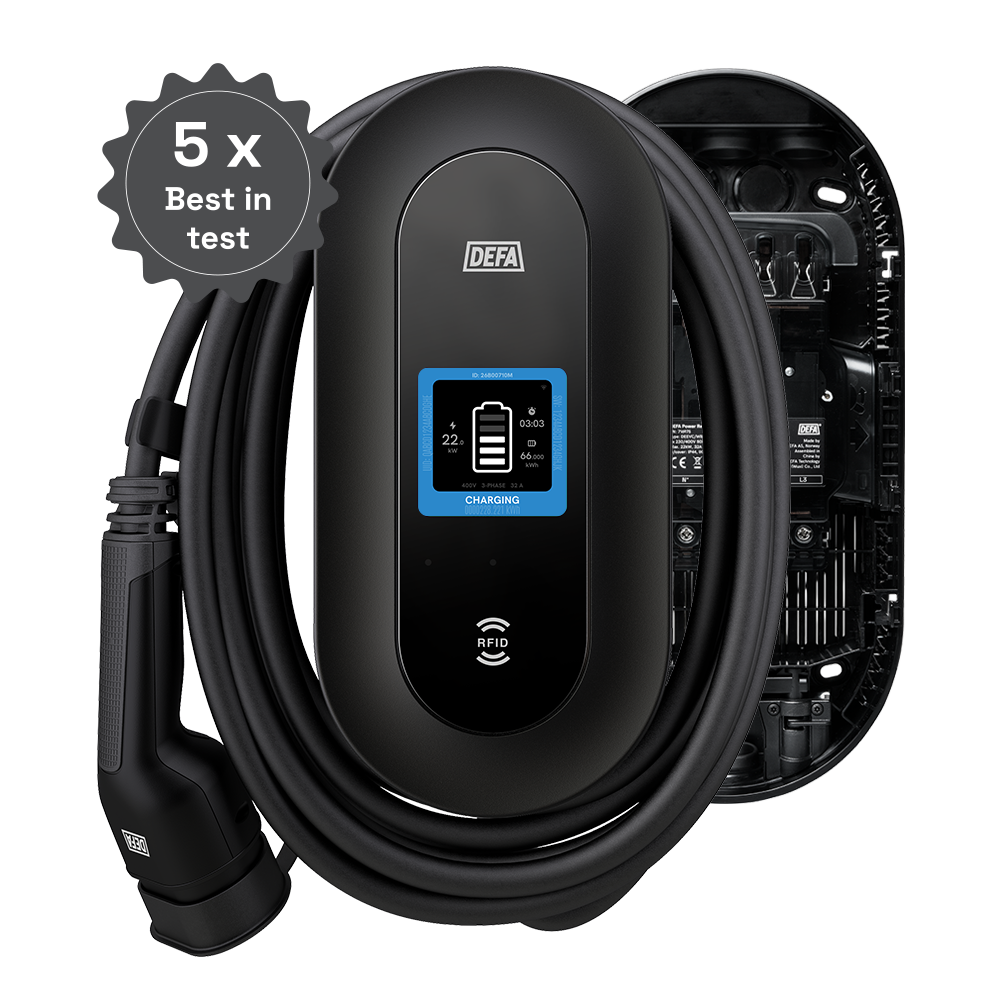
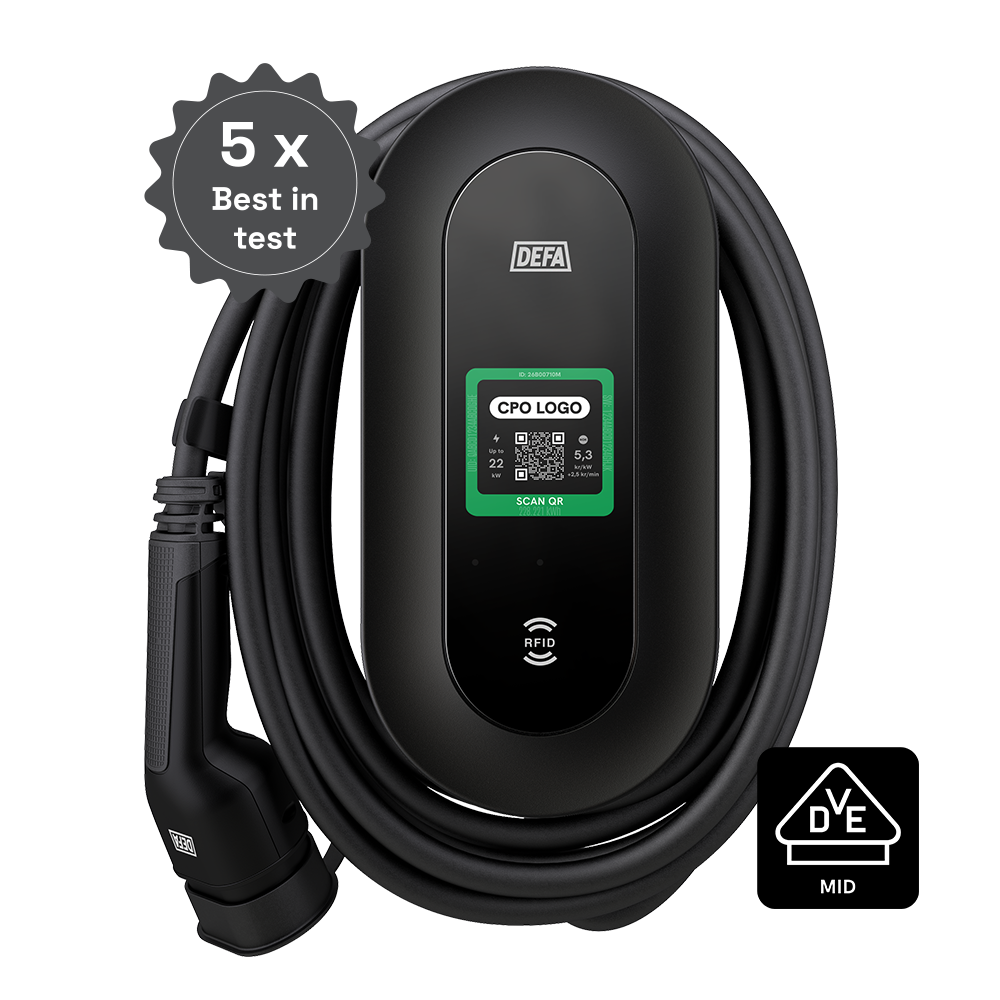
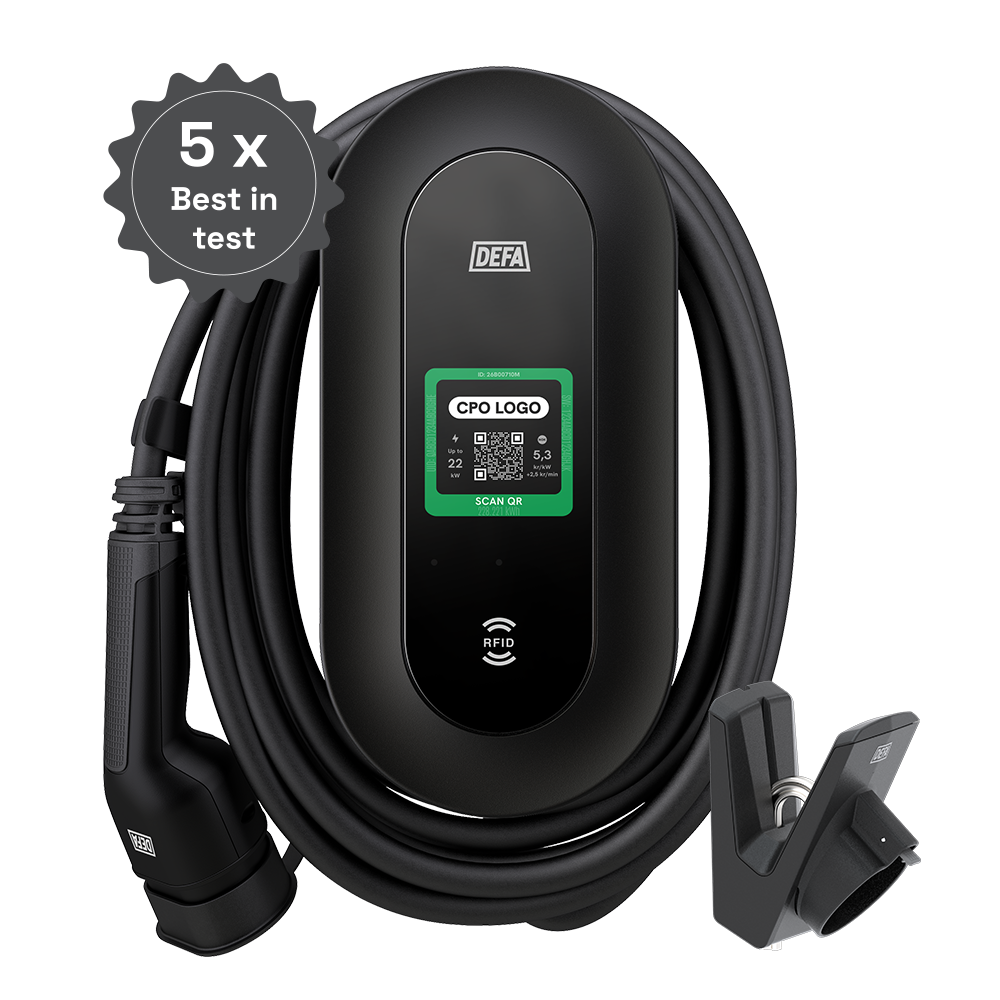
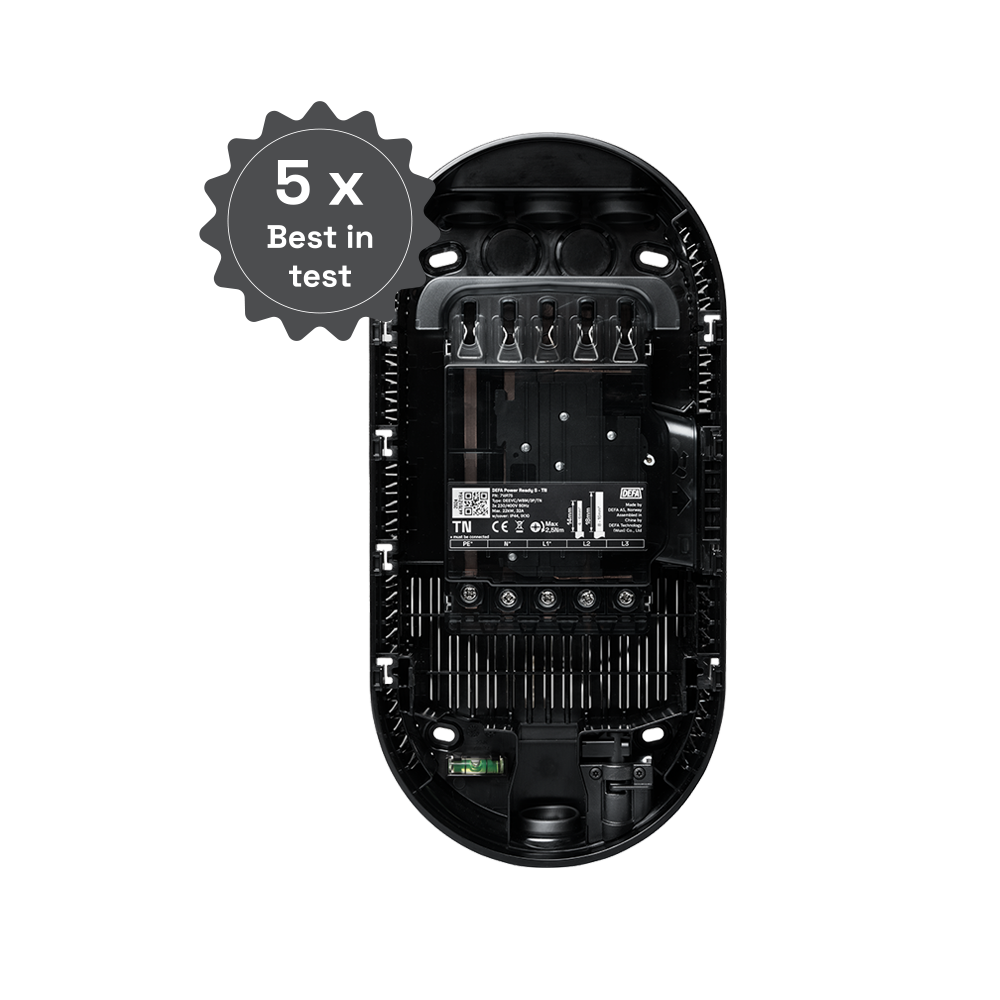
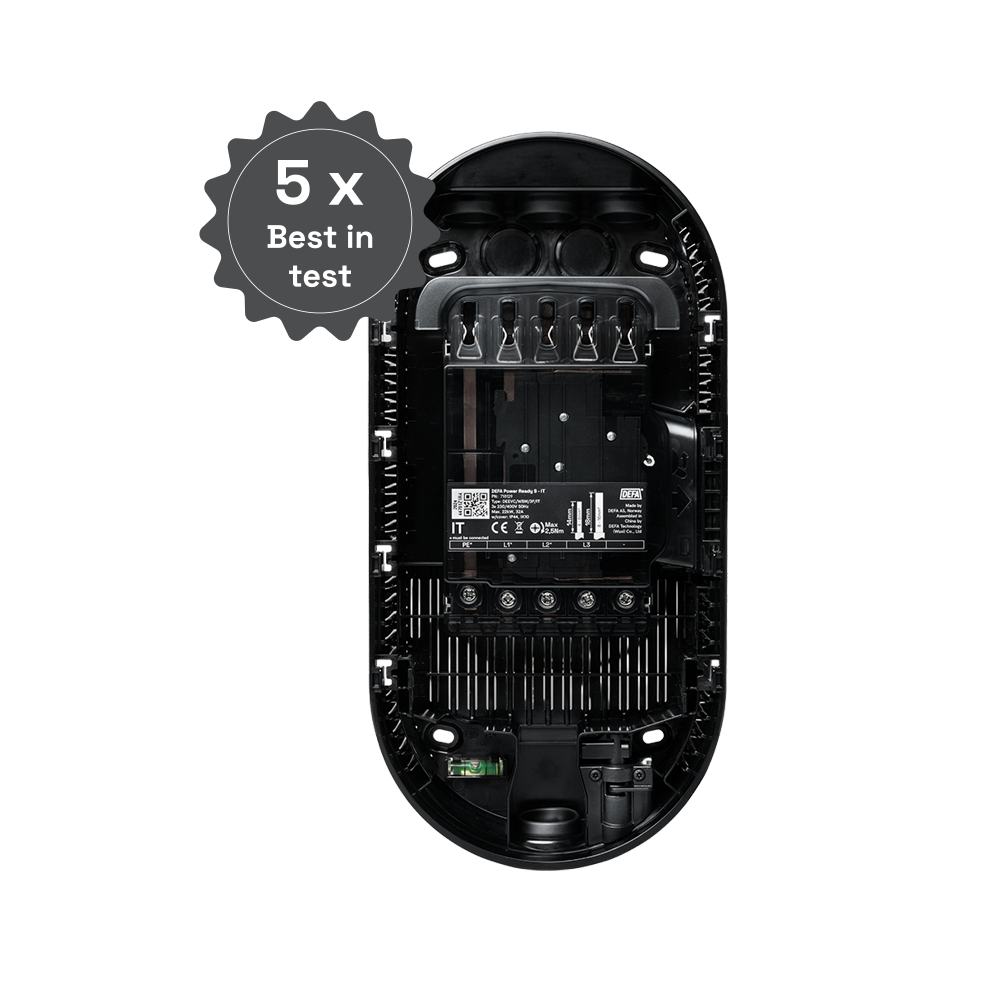
2. A V2X-compatible charger: Such as DEFA Power, which is already fully prepared for V2X.
3. A smart control system: Manages the flow of energy between your home, EV, and the power grid – optimizing when the car should charge or supply electricity. Can be offered by e.g. energy companies or smart home platforms.

When everything works together, your EV becomes an active part of your home’s energy ecosystem — not just a consumer, but also a source of power. This is where DEFA’s product developers in the Nordics drive the development forward.
Does It Affect the Battery?
Not necessarily. Most modern batteries can handle thousands of charge cycles, and V2X systems are designed to use only a limited portion of the battery’s capacity to minimize wear.
Any minor battery impact is often outweighed by the economic savings and energy efficiency benefits.
The Car as a Climate Tool
When millions of electric cars are connected to the grid, they can function as one massive, distributed battery.
In the future, your car might help smooth out demand peaks on cold winter evenings, store solar power during the day, and release it at night. It could even share energy with neighbors through local microgrids.
This creates a more decentralized energy system, where individuals aren’t just consumers — they’re active participants in the energy economy.
Privacy and Control
With V2X, energy data becomes as sensitive as personal data. Transparency and user control will be crucial.
You should be able to decide when your car can share energy — and know exactly who has access to your charging data.
V2X Is Coming Soon – Is Your Charger Ready?
For V2X to work on a large scale, clear standards, solid regulations, robust infrastructure, and reliable technology are essential. The pace of development is accelerating – and DEFA Power is the charging solution built for the future.
Martin Jonsson, CEO:
“The energy system of the future isn’t far away. It’s already parked in your driveway. As things stand, V2H, V2G, and V2L are expected to be widespread among private users within just a few years. This is where we take the lead – V2X demands intelligence at every level, and our technology is already ready to deliver.”